








free inspection | free estimates | immediate repairs
It doesn’t take much. A gap at the soffit, a worn pipe boot, lifted flashing, or an old repair that’s given up, and suddenly your attic has a tenant. Roof rats and other pests get in through small roofline openings most homeowners never spot from the ground.
Orlando Roof Tech finds the roof-related entry points, repairs the damage, and closes them the right way, so the problem actually stops instead of coming back every season.
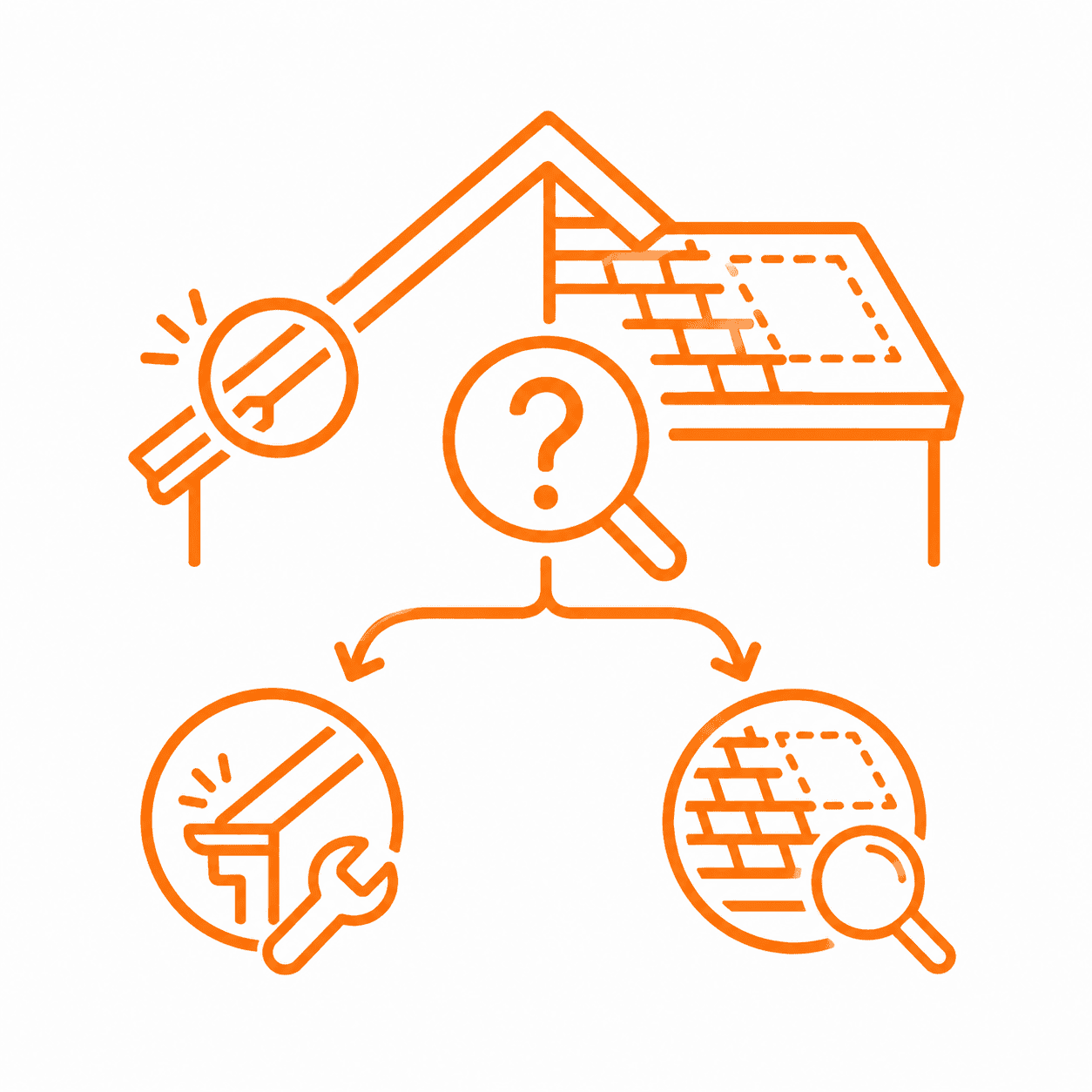
Different animals attack different parts of the roofline. Rats squeeze, squirrels chew, raccoons pry, and each one goes after the weak spot that suits its skill set: small gaps, loose materials, damaged vents, worn pipe boots, tired soffit and fascia. We inspect the details each pest targets, show you what’s vulnerable, and close off the access points properly, without slapping a patch over a bigger roof problem.
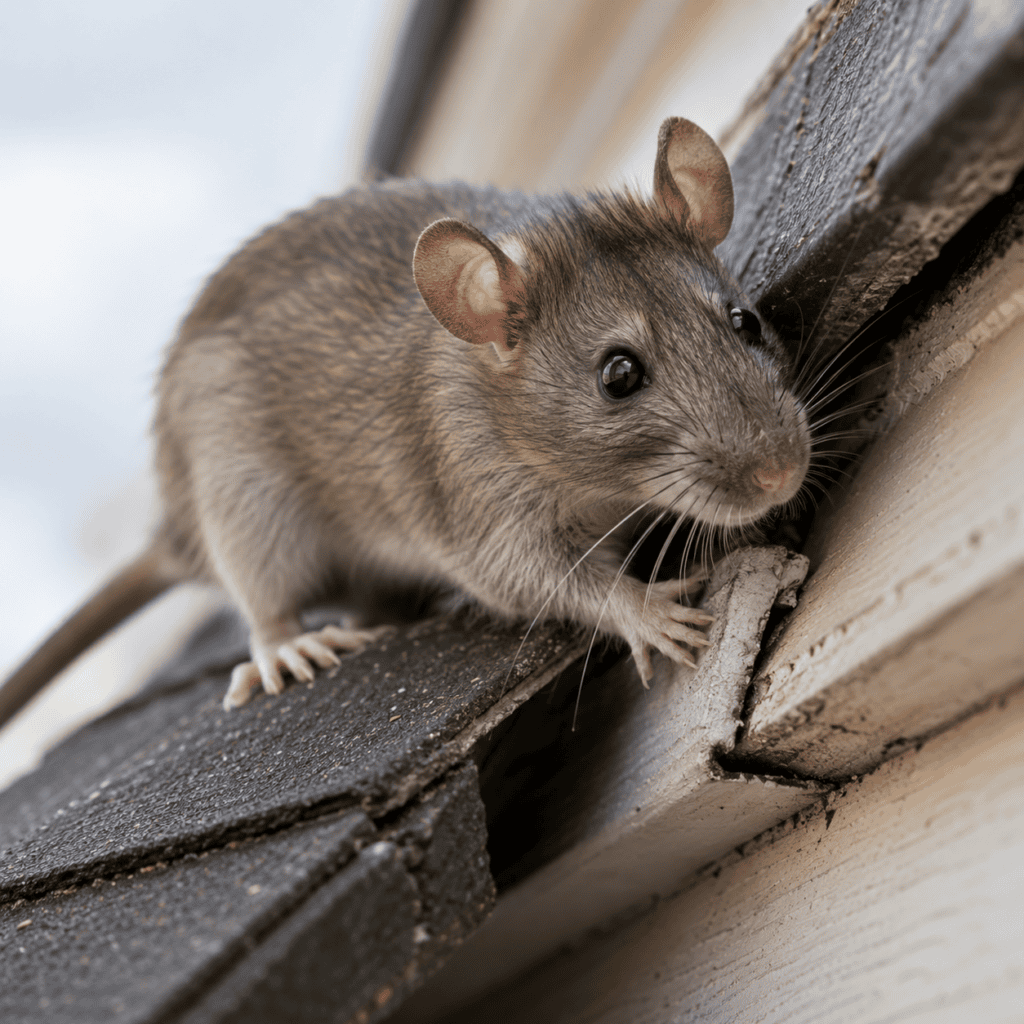
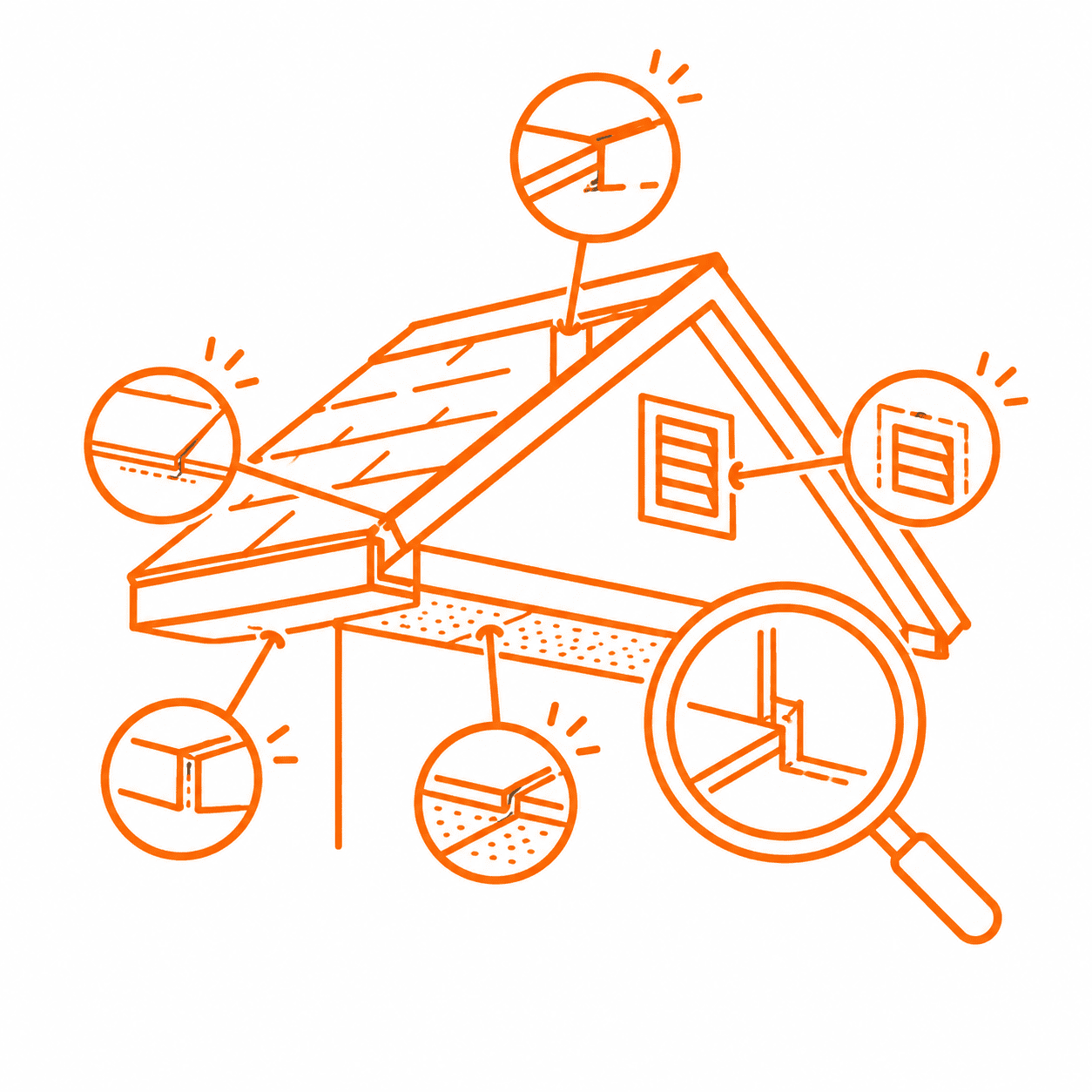
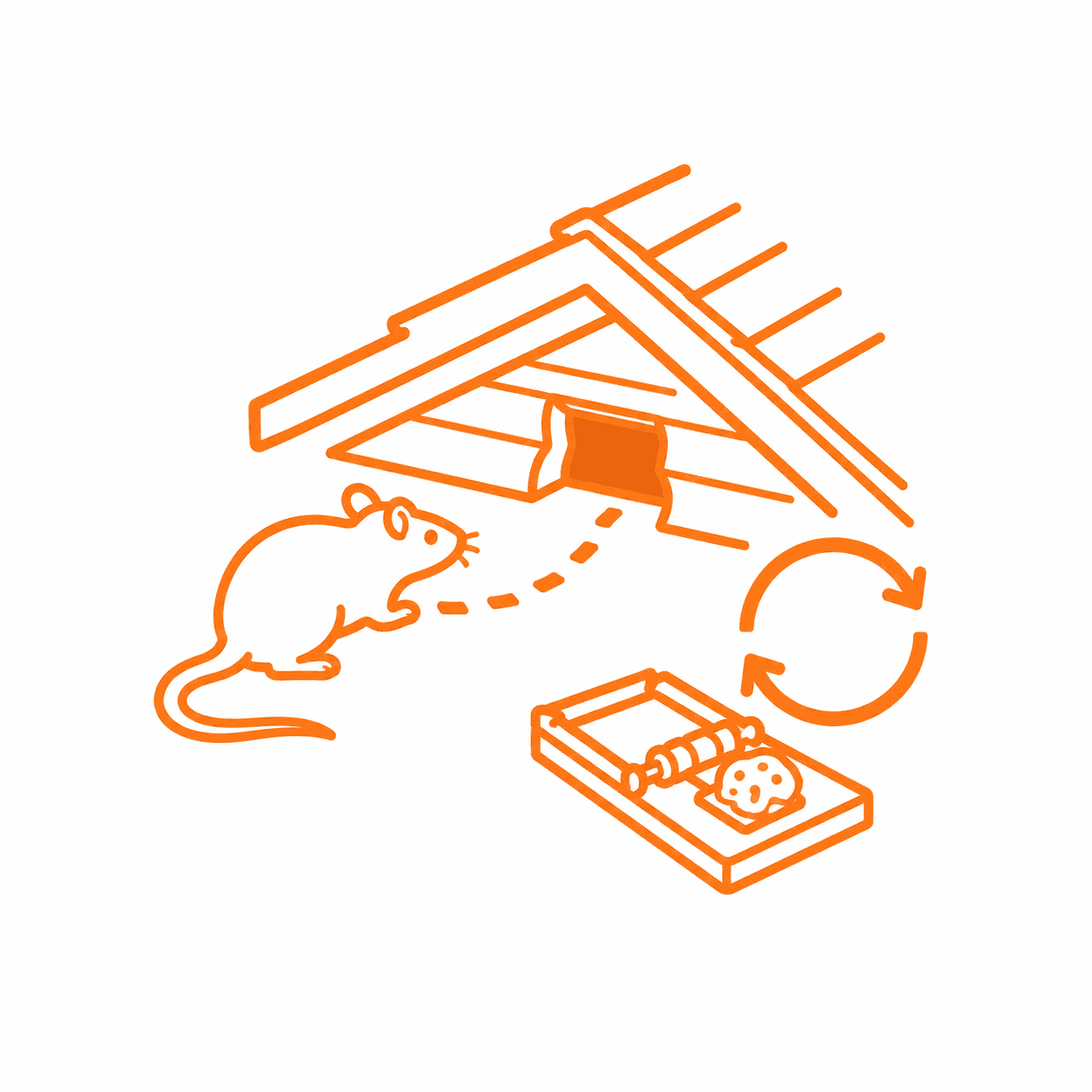
A roof rat needs a gap about the size of a quarter. They’re strong climbers, and the roofline is their highway into the attic. We check the small gaps around shingles, fascia, soffit, vents, flashing, and roof edges, then tell you exactly what needs to be sealed, repaired, or reinforced.
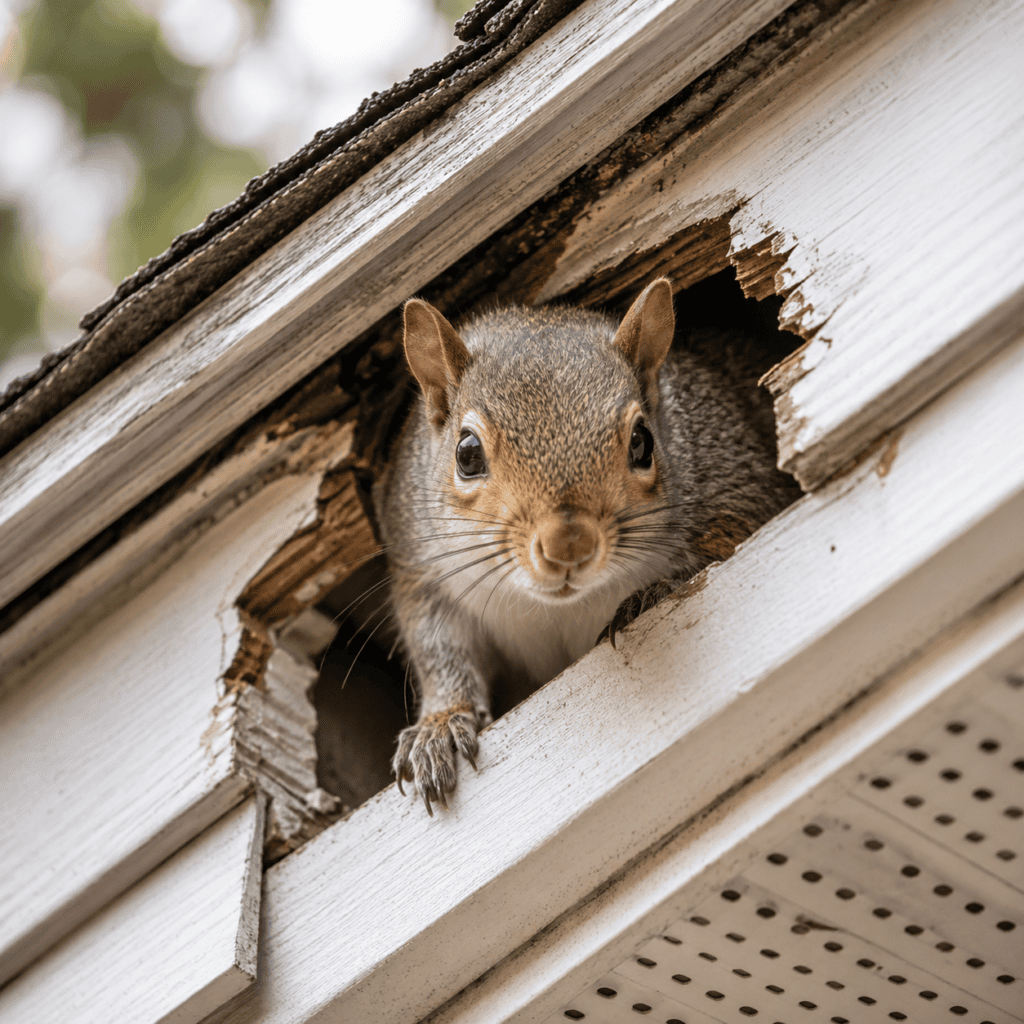
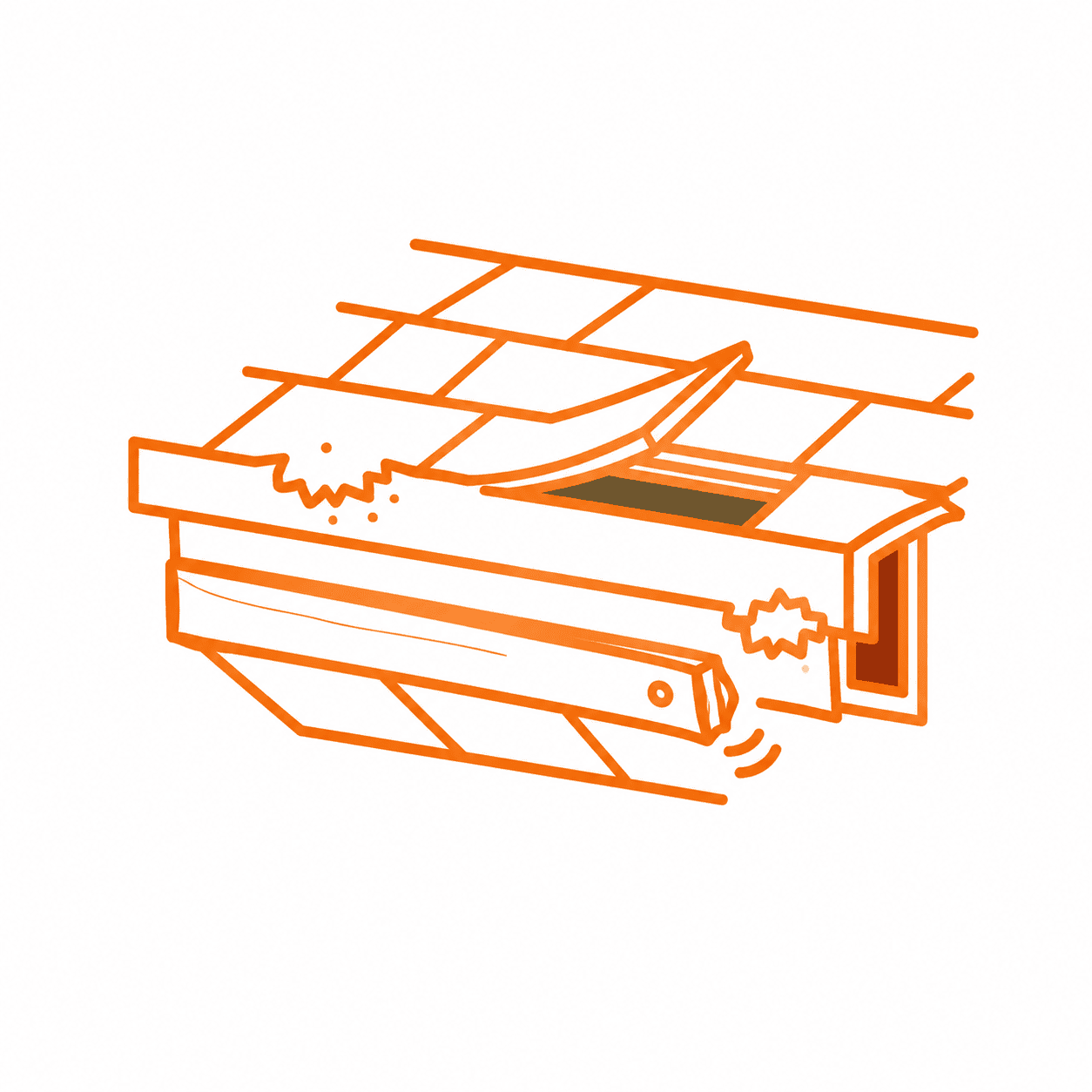
Squirrels don’t find openings so much as make them. They chew and pry through weakened soffit, fascia, trim, and roof-edge materials until a soft spot becomes a doorway. We inspect the areas they target, repair what’s vulnerable, and block access before a small opening turns into a daily commute.
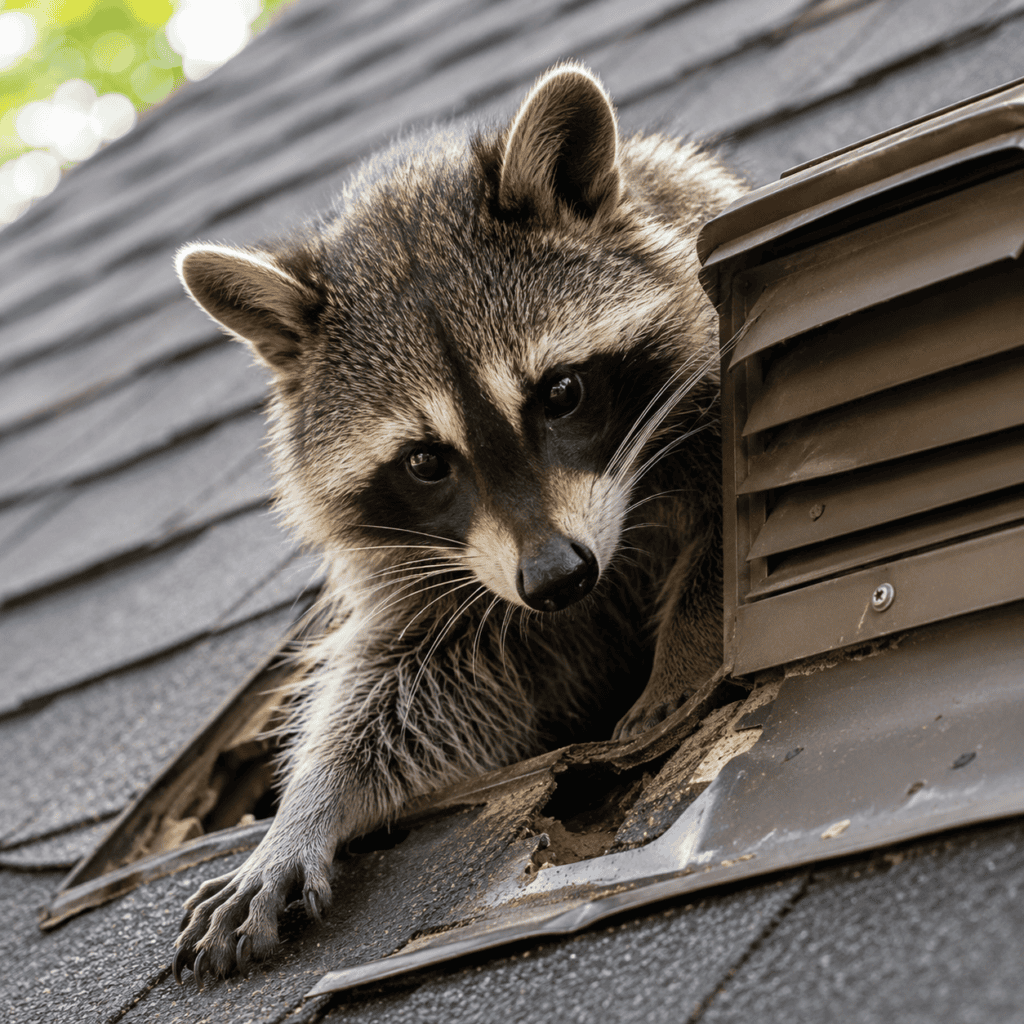
Raccoons are big, strong, and not subtle. They go after loose vents, damaged screens, lifted flashing, weak covers, and larger gaps, and they’ll widen anything that gives. We identify the entry area, repair or secure the affected roof detail, and use materials that protect the opening while keeping the roof system working the way it should.
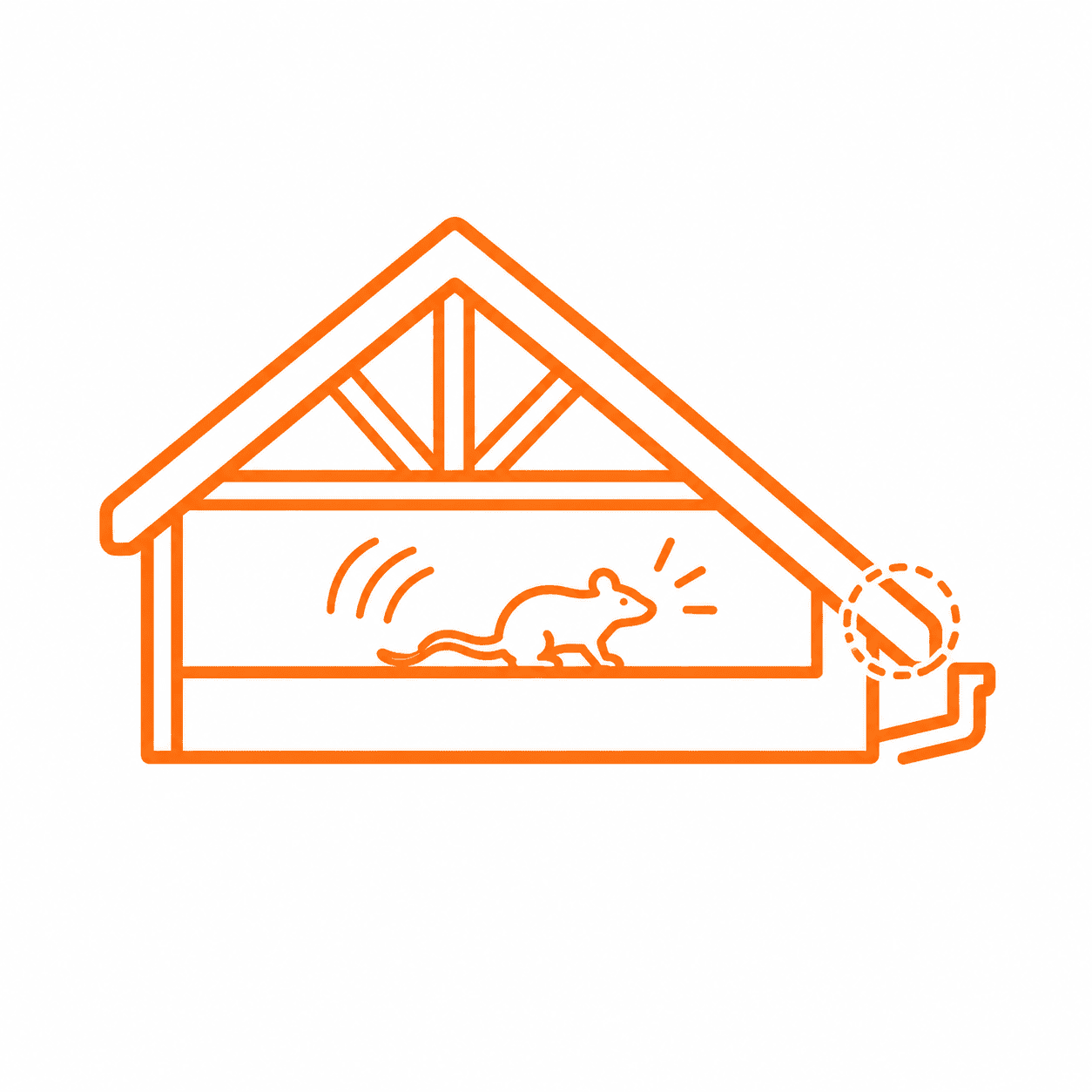
Scratching in the attic is annoying. What the animal is doing up there while it scratches is the expensive part.
And this is a problem that compounds. What starts as one small entry point becomes a roofing problem, an attic problem, a cleanup problem, and a pest-control problem the longer it sits. Every week of waiting makes the eventual fix bigger.
Find where they're actually getting in before any money gets spent sealing the wrong spot. Guessing is how homeowners end up paying twice.
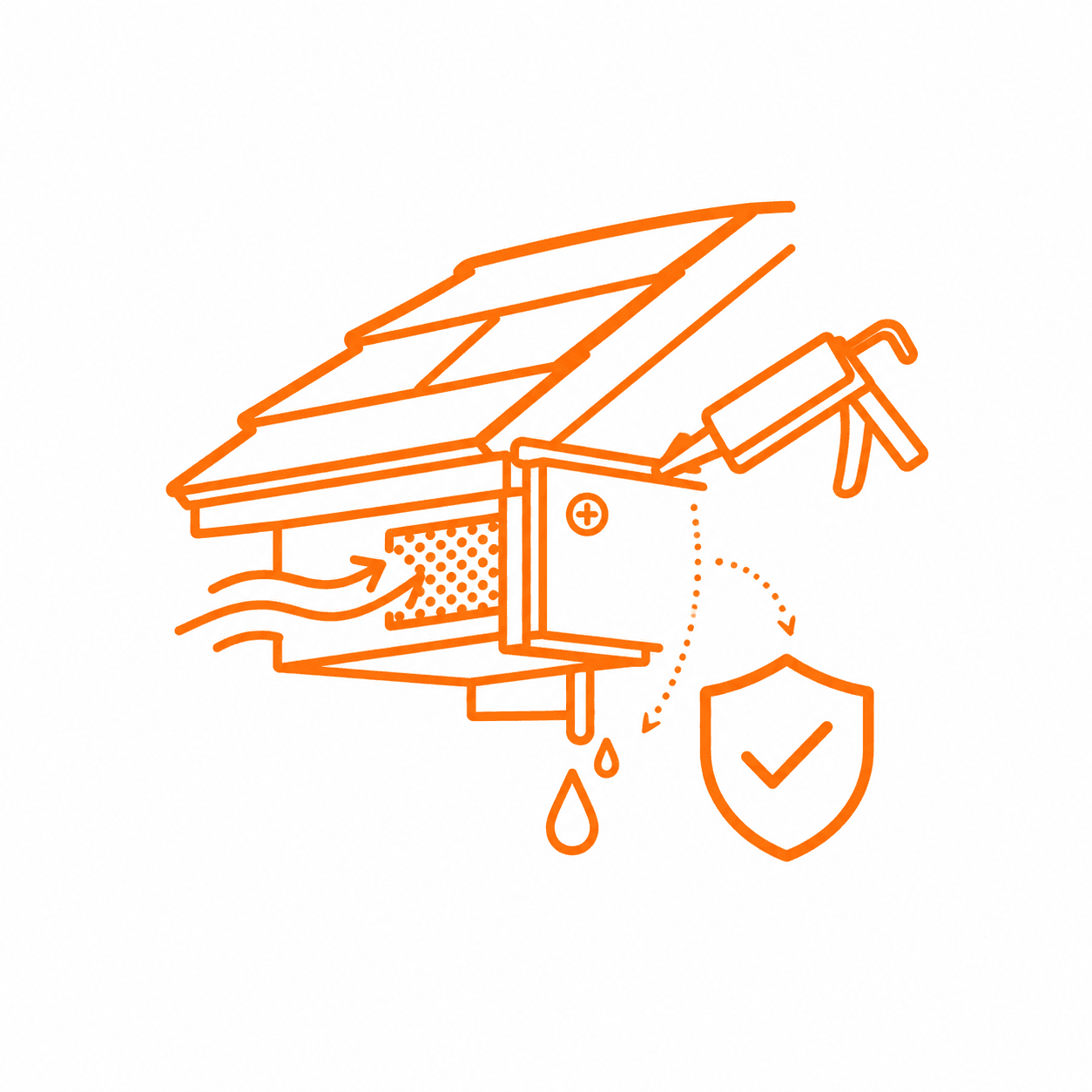
Close the roof-related access points with real roofing work that respects water-shedding, drainage, and airflow. A sealed roof that can't breathe or drain just trades one problem for another.
Replace roofline materials that chewing, age, storms, or moisture have compromised. A gnawed fascia board patched over is still a gnawed fascia board.
Pests rarely stop at the entry hole. Leaks, chewed wires, and water intrusion often ride along, so we identify that damage while we're up there and recommend the right fix.
This service covers the roofing side of the problem. It is not trapping, removal, extermination, poison, or pest treatment, and sealing a roof should never happen while animals are still inside.


Roof pest problems are easy to misread from the ground. The opening might be smaller than your fist, hidden behind trim, tucked beside a vent, or sitting along a roof transition you’d never look at twice, right up until the attic starts making noise.
That’s what the guide below is for. It walks through the common roofline areas where rats, squirrels, and raccoons get access, so you can make sense of what you’re hearing and seeing before you request roofing help.
Don’t see your question answered? Contact Us ⟶
No. Trapping, removal, extermination, poison, and treatment belong to licensed pest and wildlife control companies. We handle the roofing side: finding the entry points, repairing the damage, and closing the roof up properly. If something is living in your attic right now, removal comes first.
Better than almost anyone, because the entry points are roof defects. A gap at the fascia, a worn pipe boot, a lifted shingle edge, and a damaged vent are roofing problems that happen to have a rat using them. We know where those weak spots form because we repair them for a living.
Yes, and the order really matters. Sealing entry points with animals still inside traps them in your attic, and a trapped animal does more damage trying to get out than it ever did getting in. Removal first, then we close the roof behind them.
The edges and the penetrations: soffit and fascia, roof-to-wall transitions, gaps around vents and pipe boots, lifted or damaged flashing, deteriorated trim, and worn roof edges. Rarely the middle of the roof; almost always the details around its perimeter.
It can when it’s done by someone who doesn’t understand roofs. Foam and caulk in the wrong place can block airflow, trap moisture, or dam water into places it was never meant to sit. That’s exactly why this is roofing work: every repair we make keeps water-shedding, drainage, and ventilation working as designed.
Usually not. Recurring rats mean an entry point is still open or the surrounding material is weak enough to reopen. That’s typically a targeted repair. If the inspection reveals the roofline materials are failing broadly, we’ll tell you plainly, but a rat problem is not automatically a roof problem.
Whatever you’ve noticed: where the noises are, when you hear them, anything visible from the ground, and any findings from a pest-control company if one has already looked. Photos help if you have safe ones. Don’t climb on the roof to get them; that’s our job.
We serve Orlando and homes across Orange, Seminole, Osceola, Polk, and Lake counties, plus West Volusia. If you’re near the edge of that area, reach out anyway and we’ll confirm.
Around Central Florida, pests get in through the small stuff: openings at soffits, fascia, vents, flashing, roof edges, and transitions. If you’re hearing attic activity, spotting gaps at the roofline, or a pest-control provider pointed you back to the roof, that roofing side of the problem is exactly what we handle.
Tell us where the property is, what you’re hearing or seeing, and anything a pest-control company already found. We’ll figure out whether the next step is roofline repair, sealing, damaged-material replacement, or a bigger roofing conversation.
From free inspections, to insurance claims, to roof repair and replacement we can help help you with all your roofing needs.